




10 Tips for Marketing Freelancers
Freelancing is like a playground see-saw. It has its ups and downs and requires a measure of balance to succeed. If you are a freelancer, friends will envy your independence and freedom, but they won’t realize that they come at a cost. Here are some observations for new-bies or concepts for those who’ve had a taste of the freelance life.
- Find your market and work it best as possible. Think of the market as a series of concentric rings. Let’s say your expertise is marketing autos–that’s the bullseye or “target market.”
- Even if you’ve found ample work in the target market, you’ll need to stretch yourself outside your comfort zone to develop a more diversified portfolio.
- Even though your clients like your work, you are not exactly part of their office team– you are someone “out there.” It’s a thin line between maintaining good communications with your clients and being a nuisance. Don’t be insulted if they don’t get back to you right away.
- Freelancing can be isolating. On the rare occasion when I’ve complained about the isolation, I’ve had office-bound friends respond, “I’d gladly change places with you,” so this is a “grass is greener on the other side” kind of dynamic. Nevertheless, you can go days without talking to anyone but your family and the cashier at 7-11. Plus, you need to leave the “home office” to find out what’s going on out there, and don’t count of the Internet to do it for you–there’s a reason it’s called a “virtual world.”
- Certain aspects of life must be tied down, like adequate shelter, food, and medical insurance. You may find yourself getting jealous of your office-bound co-workers who are driving new cars, or moving to bigger houses. But assuming you’ve consciously made that trade-off, you still want to feel secure, and relatively free from worry.
- There is a certain amount of record keeping, including taxes. Resist the temptation to cheat on taxes, so you don’t get hit with a big bill you can’t pay down the line.
- Record keeping, part II. You’ll have to keep track of what you’re working on, when it’s due, what you’re owed, how many days since submission, and all of that. If you’re a popular freelancer, this could mean keeping track of a dozen or more projects at once, knowing where they are in the system, and of course, keeping the system open for more projects. You can do this on an index card, in a notebook, or on your phone–there are several apps designed to handle the job.
- Step away from the machine. You didn’t sign up for this, I’m guessing, to be a millworker. Set yourself a schedule and try to stick to it. Some of us are morning people–you can get to work at 5 a.m., work eight hours and be ready to hit the tennis courts by one o’clock. Some of us are night owls, but few of us are both.
- Caffeine is an addiction, like any other.
- E-mails, gotta love ‘em, gotta hate ‘em. Obviously, e-mail is the killer app that makes freelancing possible, so we love it, but they do add up and require time just to manage the flow. Don’t let a bad e-mail ruin your day. As to the management part, freelancers have different styles–handle them as they come in to avoid nasty e-mail build up, even if they interrupt your work–or let them build up and carve out a time to deal with them. And are they ever hard to manage. I try to keep the “working e-mails”–assignments, and e-mails that are pertinent to assignments–in my in box, and farm everything else out–passwords,contacts, ideas–to folders to prevent chaos.
Have fun. If you really need to be miserable, get an office cubicle.
HOT PRODUCTS
-

Branded Fiddle Spinners
Category : Puzzles, Games and ToysThese Fiddle Spinners can reduce stress & anxiety, improve focus, and alleviate boredom! Arriving 30-06-17, Pre-Order Available Now
Min Qty : 500
From : $3.31
VIEW DETAIL -
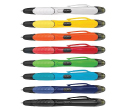
Nexus Multifunction Pen - Colour Barrels
Category : Highlighter PensRetractable plastic ball pen with a soft rubber grip, a stylus for use with touch screens and a Yellow highlighter.
Min Qty : 1000
From : $1.04
VIEW DETAIL -
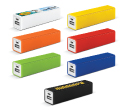
Tesla Power Banks
Category : IT & USB2200mAh power bank that is ideal for charging mobile phones, tablets, cameras, GPS, Bluetooth speakers and headphones etc
Min Qty : 100
From : $9.82
VIEW DETAIL -
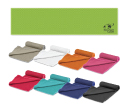
Yeti Cooling Towels
Category : SportswearIncredible towel which will cool up to 15 degrees below the outdoor temperature in seconds when wet. Simply wet, wring out and snap tight to remove the excess water
Min Qty : 250
From : $5.08
VIEW DETAIL


